In competitive engineering environments, getting a product to market quickly can be just as important as performance and cost. One of the most effective ways to reduce development timelines is by applying Design-for-Additive Manufacturing (DfAM) principles from the very beginning of a project.
Rather than treating additive manufacturing as a late-stage prototyping tool, DfAM integrates manufacturing considerations into the design phase — helping teams move faster, with fewer delays and redesigns.
Faster Iterations Without Tooling Constraints
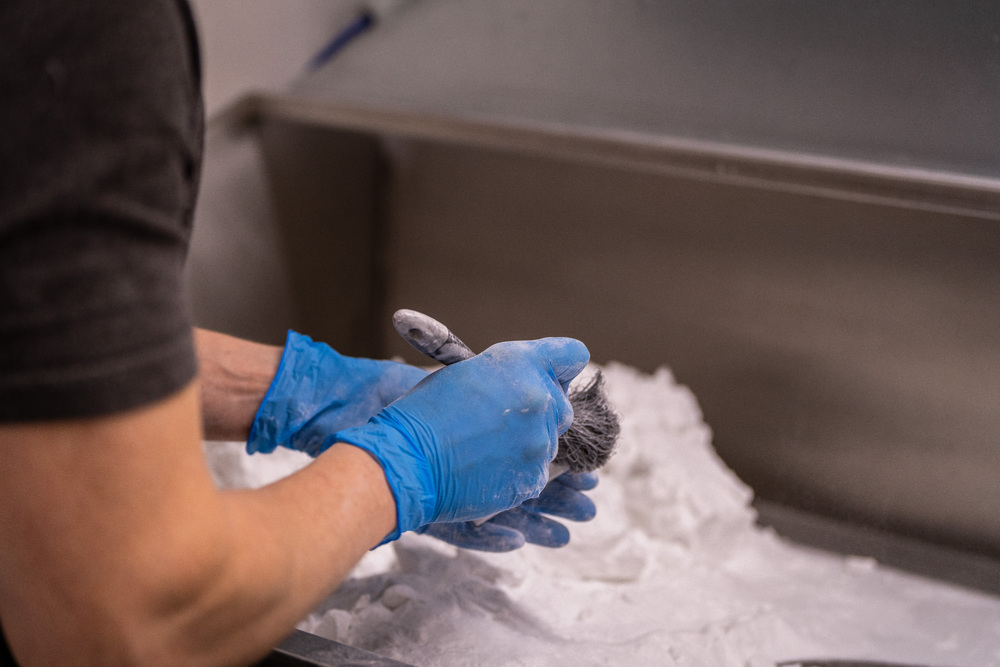
Traditional manufacturing often requires tooling, moulds, or fixtures before a part can be produced. These steps add time, cost, and risk — especially during early development.
With additive manufacturing:
-
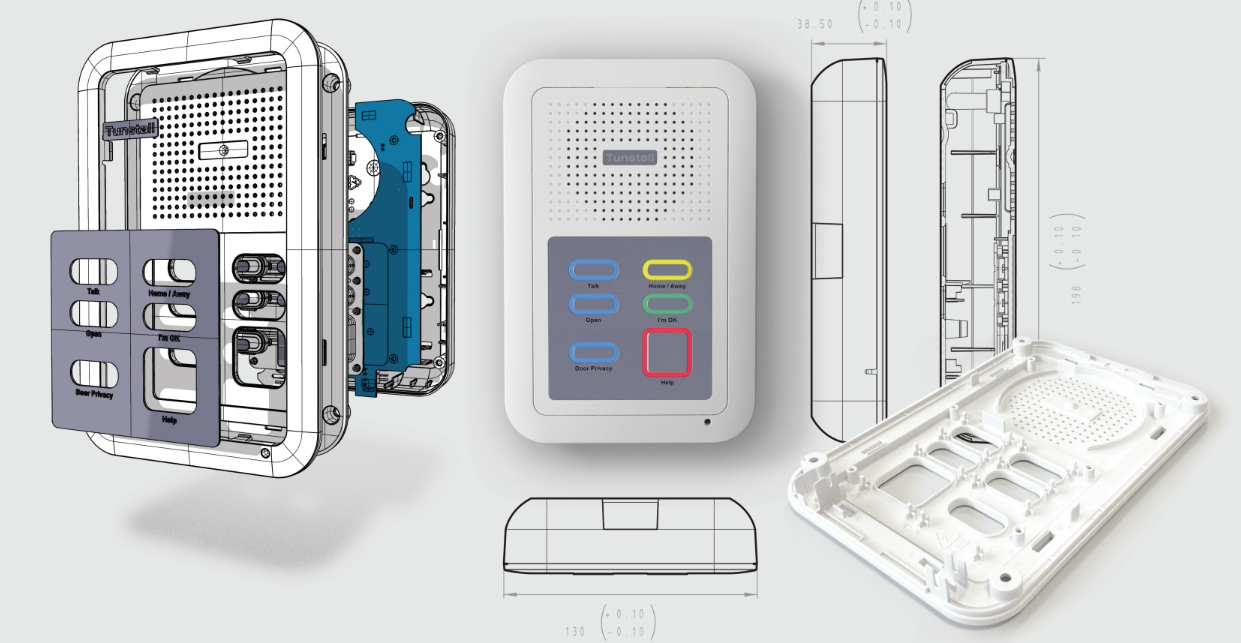
Designs can move directly from CAD to part
-
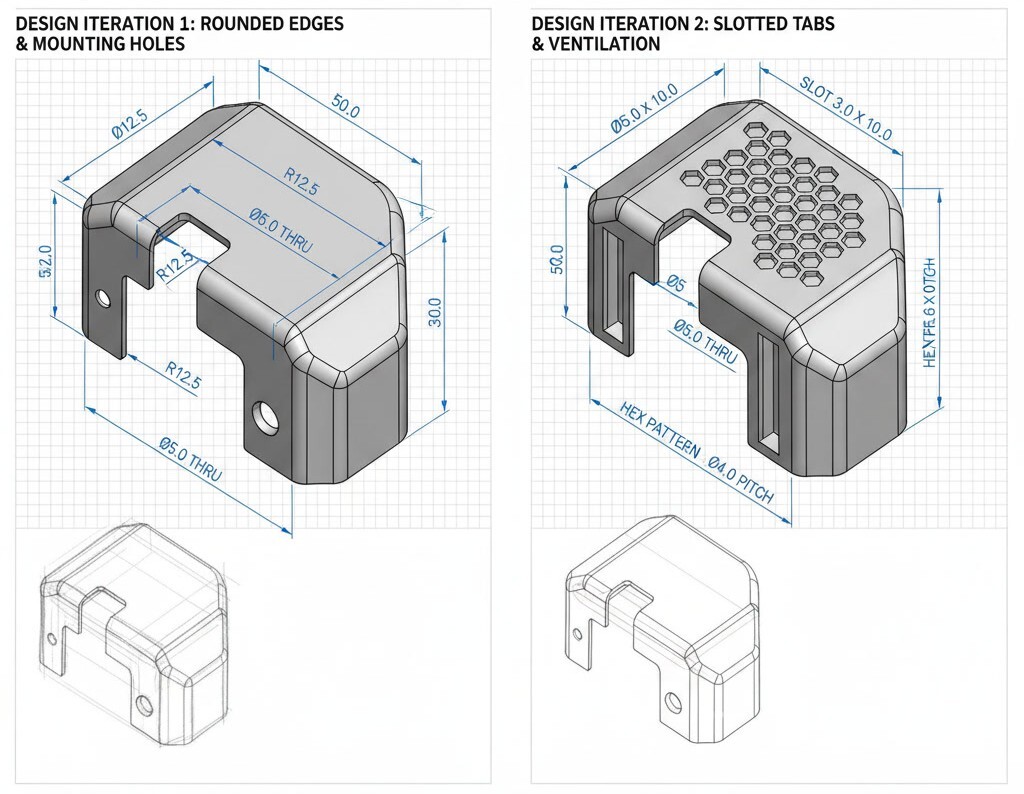
Iterations can be produced quickly without retooling
-
Multiple design versions can be tested in parallel
This allows engineers to validate concepts sooner and refine designs rapidly, significantly shortening development cycles.
Fewer Redesigns Through Early Manufacturability
One of the biggest causes of delay in product development is late-stage redesign. Parts that look good in CAD don’t always translate smoothly into manufacturing reality.
Design-for-additive helps reduce this risk by:
-
Encouraging realistic tolerances from the outset
-
Designing geometries that suit the chosen AM process
-
Accounting for post-processing early in the design phase
By considering manufacturability early, teams avoid the costly back-and-forth that often occurs between design and production.
Quicker Functional Validation
Unlike some traditional prototyping methods, additive manufacturing enables functional prototypes that closely reflect final part performance.
This means:
-
Designs can be tested under real-world conditions earlier
-
Fit, form, and function can be validated sooner
-
Fewer prototype stages are required before sign-off
As a result, decision-making becomes faster and more confident, helping projects progress without unnecessary delays.
From Prototype to Production—Without Starting Again
DfAM also supports smoother transitions from prototyping to low-volume or end-use production. When parts are designed with additive manufacturing in mind, the same design principles often apply across multiple development stages.
This continuity:
-
Reduces the need for redesign between stages
-
Maintains momentum as projects scale
-
Keeps timelines predictable
For many teams, this means getting to market faster without sacrificing quality or performance.
Designing for Speed, Not Just Geometry
Reducing time to market isn’t only about faster machines — it’s about smarter design decisions. By embracing design-for-additive principles early, engineers can streamline development, minimise risk, and accelerate validation.
When design and manufacturing work together from day one, better outcomes — and faster ones — follow. Learn more about our design for manufacturing services here.