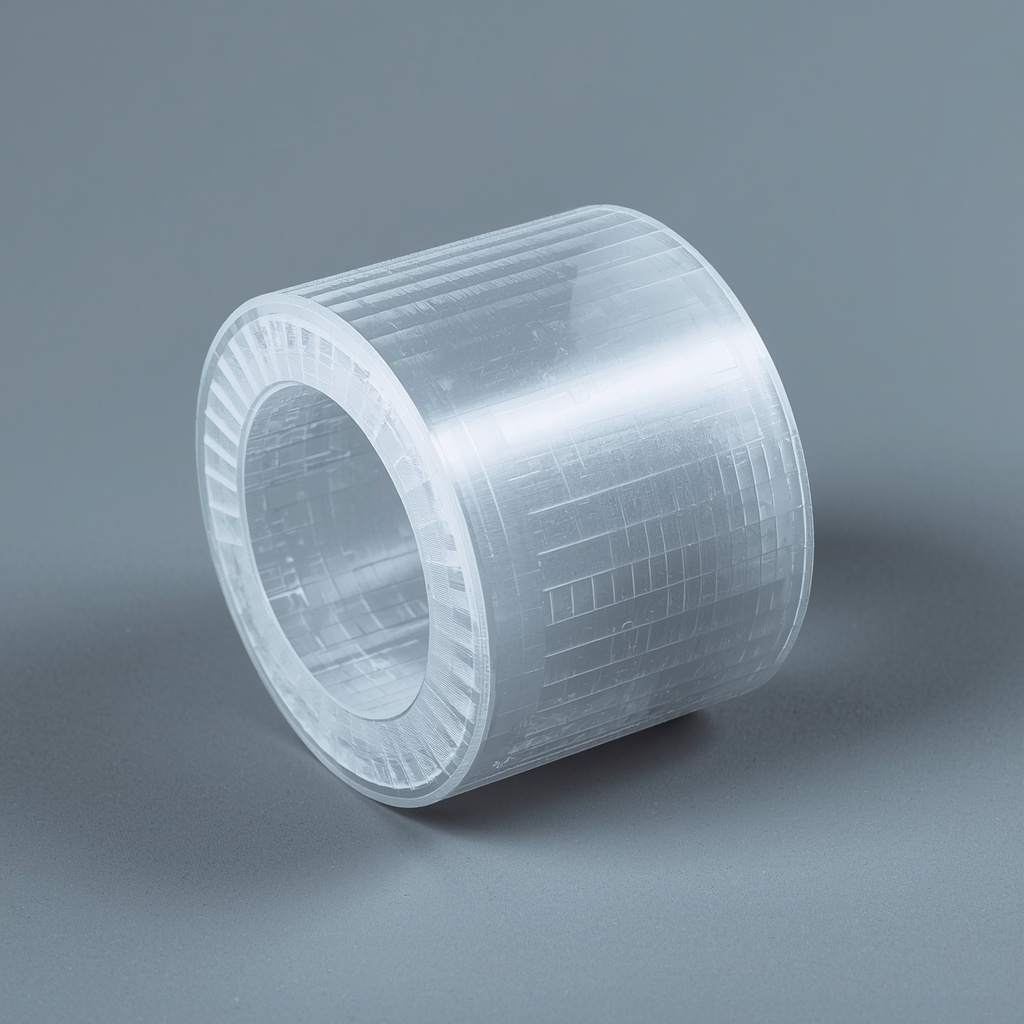
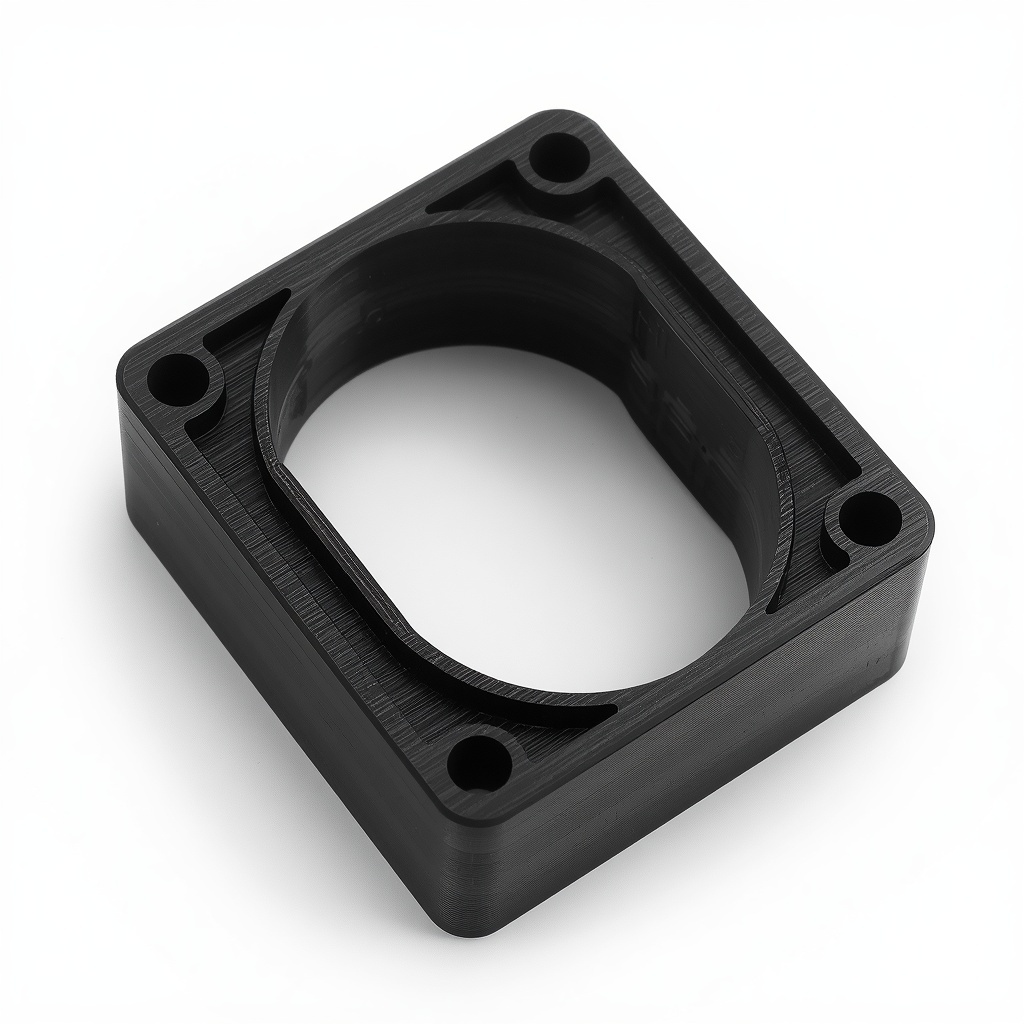
FDM 3D Printing
Fast, cost-effective thermoplastic 3D printing for practical parts, jigs, fixtures and prototypes.
Cost-effective | Rapid turnaround
What is FDM 3D Printing?
FDM 3D printing is a process that builds parts layer-by-layer by extruding heated thermoplastic filament from a spool through a controlled nozzle.
Fused Deposition Modelling excels at producing functional, strong parts quickly and economically — a perfect choice for early-stage development, workshop tools and practical testing.

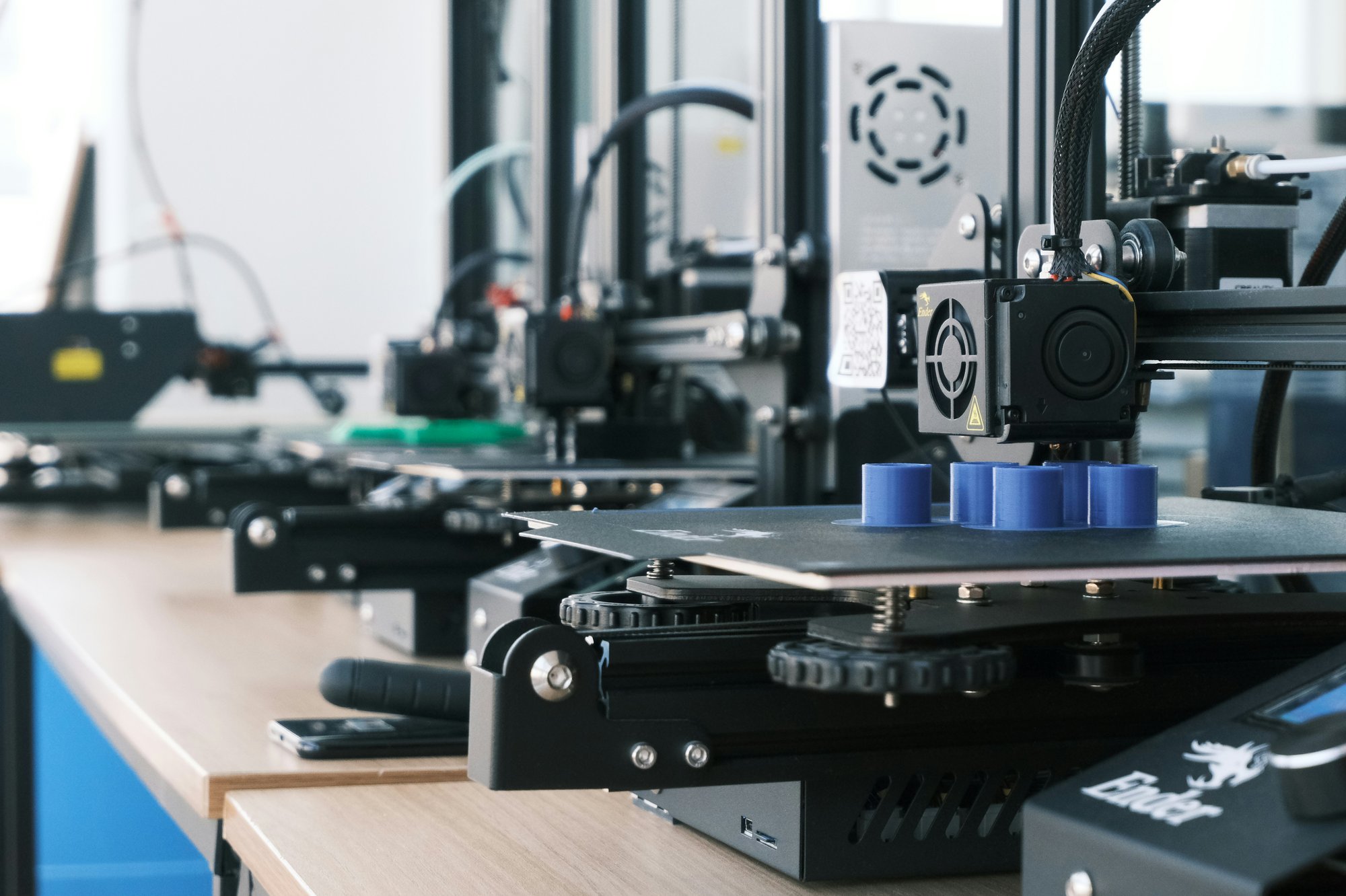
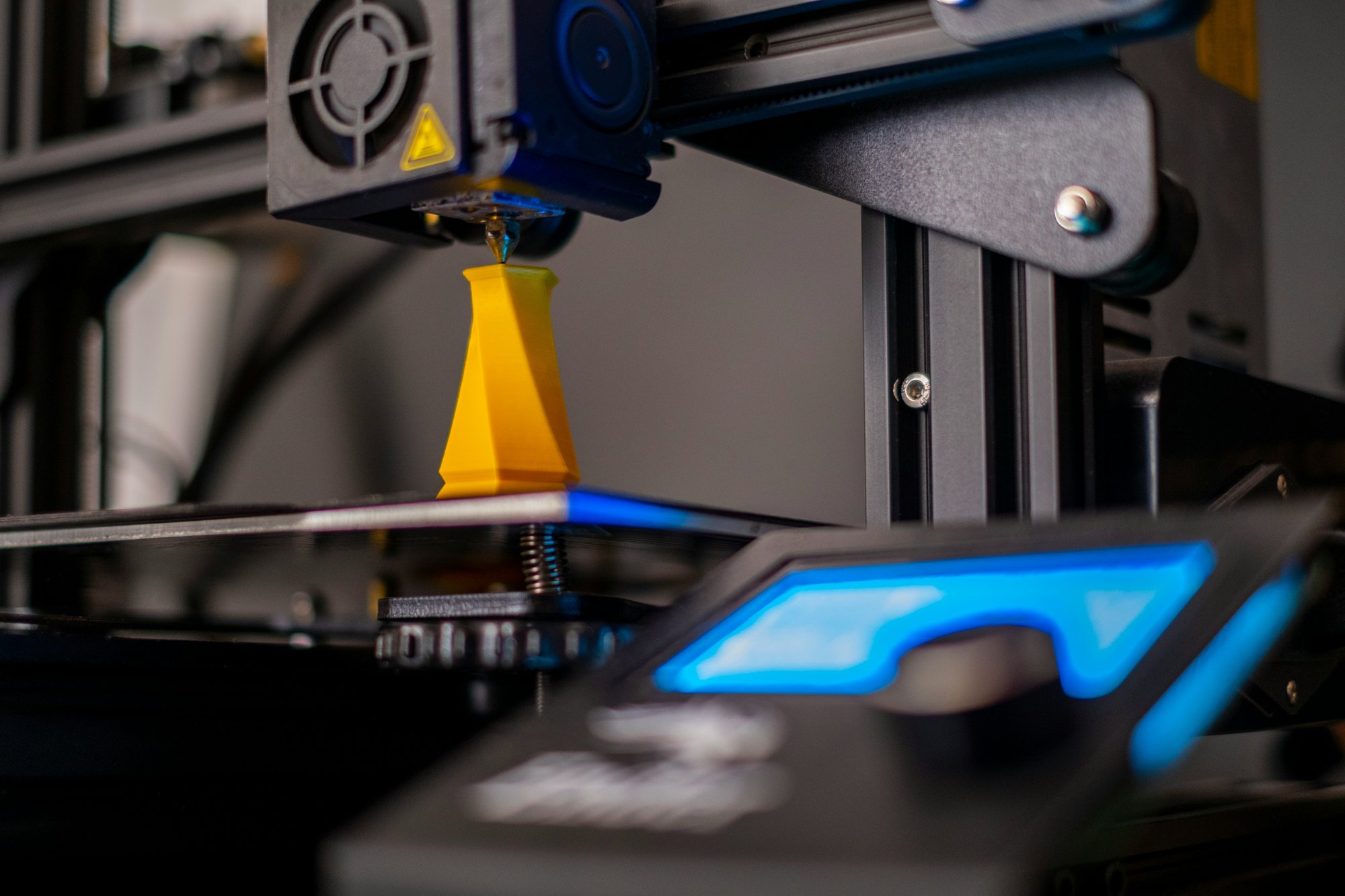
Key Benefits of FDM 3D Printing
Fast turnarounds.
Cost-effective.
Functional parts.
Fast design iteration.
One-offs to small batches.
When should you use FDM 3D printing?
Jigs & fixtures
Mock-ups
Early-stage testing
Contact us today to get a 3D printing quote or discuss your part design. Our team of engineers and technicians are ready to help you get the most out of 3D printing—fast, accurate, and cost-effective.
NDA needed? No problem, download here and email to info@ame-3d.co.uk.
Specifications
| Build Volume (WxDxH) |
Single Nozzle: 325 x 320 x 325 mm³ Double Nozzle: 300 x 320 x 325 mm³ Total Volume for Two Nozzles: 350 x 320 x 325 mm³ |
| Nozzle Diameters | 2mm, 4mm |
| Materials |
TPU (90A & 85A) PETG (Carbon-Filled, Clear & Multiple Colours Available) PLA (Carbon-Filled & Multiple Colours Available) ABS (Glass-Filled & Multiple Colours Available) |
Get FDM 3D Printed Parts
Get a quote.
Materials
If the material you require isn't listed, please contact our sales team.PLA (Normal & Carbon-Filled)
PLA (Normal & Carbon-Filled)
Ideal for early-stage prototypes, mock-ups and form studies. It offers good dimensional accuracy and surface finish.
Suitable for quick validation where high mechanical performance isn’t required.
ABS (Normal & Glass-Filled)
A tough material used for functional testing & practical applications. Performs well at high-temp.
Suitable for parts requiring greater strength than PLA.
TPU 90A
TPU 90A
A balance between flexibility and structural strength. It is suitable for parts that need to flex while maintaining shape, such as clips, protective housings and soft-touch components.
Need some more 3D printing help?
Download our guide to getting cost-effective manufacturing & understanding
which process suits your application.
Fused Deposition Modelling 3D Printing FAQs
What materials can I use with FDM?
FDM supports a range of thermoplastic filaments including PLA, ABS, PETG, Nylon and more for practical, functional parts. If you require a specific material, please contact us at info@ame-3d.co.uk.
How fast can parts be produced?
Turnaround depends on part complexity and quantity — but FDM is typically one of the quickest additive methods available. We can offer next day delivery depending upon availability.
What is FDM 3D printing best used for?
FDM is best suited to functional prototypes, jigs and fixtures, mock-ups and early-stage testing where speed and cost-effectiveness are the priority.
Is FDM cost-effective for small batch production?
Yes. FDM is suitable for one-off parts and small batch production, particularly where tooling costs for traditional manufacturing would be impractical.
What are the limitations of FDM?
FDM parts may show visible layer lines and are generally less suited to applications requiring high cosmetic finish or extremely fine detail.
Can FDM be used before moving to other 3D printing processes?
Absolutely. FDM is commonly used for early-stage validation before progressing to SLA for visual models or SLS/MJF for production-ready functional parts.
FDM 3D Printing Quote
Supporting businesses with our 3D printing services for over 20 years.
High quality FDM parts guaranteed
1-5 Day lead times
Range of Colours
6 Materials Available
Excellent Customer Service & CAD Advice Provided
ISO 9001:2015 certified
Submit the form > Receive a quote within 24-48 hours > Order & get your parts
Need an NDA? Download it here & send it to info@ame-3d.co.uk.